Now that the summer is behind us and the weather is turning colder, I often get asked about two automotive issues:
- How do I prepare my summer car for storage?
- What do I need to do to prepare my daily driver for winter?

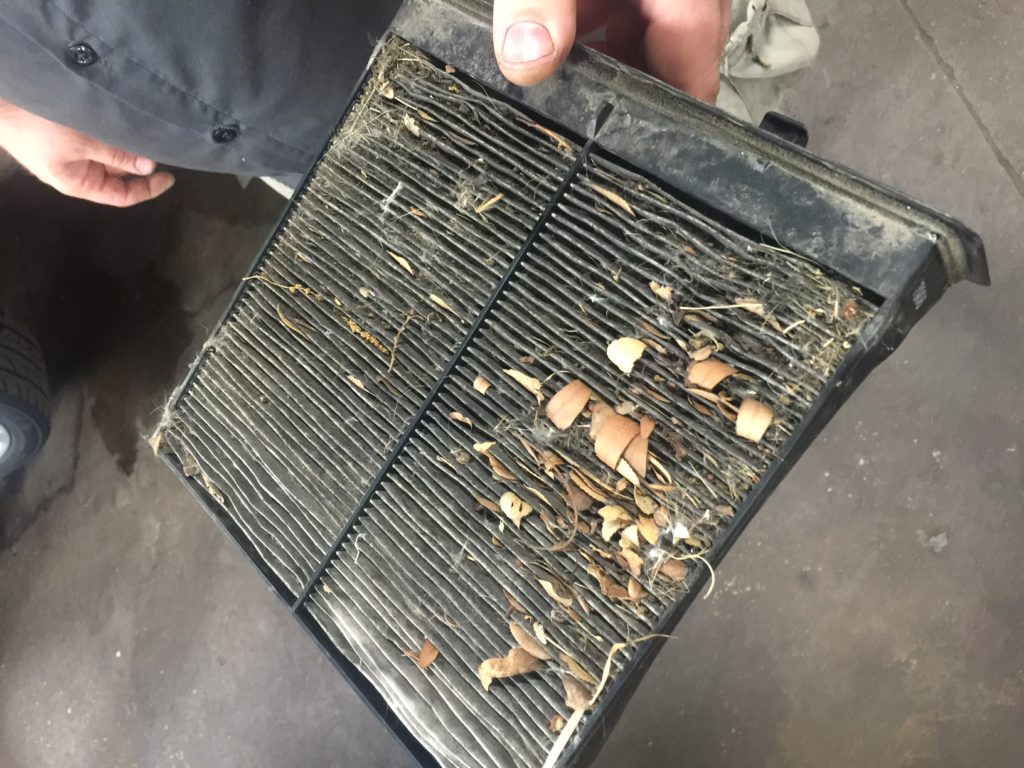
Don’t let this happen to you!
Winter Storage
In Chicagoland, most of us put our summer toys away for 4-5 months. This is actually a fairly short period of storage and therefore does not require too much preparation. A few simple measures will ensure that your baby is ready to go in the Spring. The major enemy of any automobile’s longevity is moisture – not only due to body rust, but also corrosion to internal components. For this reason, I DO NOT recommend starting the car for a few minutes every month. Doing so just pulls moisture out of the air as the components heat up and then cool off again. Instead, I recommend the following:
- Change the oil prior to storage. Oil absorbs moisture which is a natural byproduct of combustion. If dirty oil is left in the car, this moisture will evaporate out of the oil and condense on the engine internals which can cause corrosion. Also, dirty oil is acidic – why not store your car with nice clean oil in her?
- Increase your tire pressures to 40psi. This will prevent flat spots from developing in the tires where the car sits on the same portion of tire for the winter.
- Fill the gas tank with premium fuel and add a bottle of STA-BIL. A partial tank of gas leaves moist air in the unused portion of the tank which can corrode the inside of the tank. STA-BIL is a product that helps to prevent gasoline from “varnishing” or turning bad. The problem of gasoline going bad has increased with the added use of ethanol additives. On some occasions, gasoline can turn bad in just a few months. STA-BIL also helps to remove water from gasoline.
- Wash your car. Tree sap, bird deposits and pollution can degrade your paint over the winter. If you have the time and motivation (and a warm place to do it), a fresh coat of wax is great for your paint over the winter.
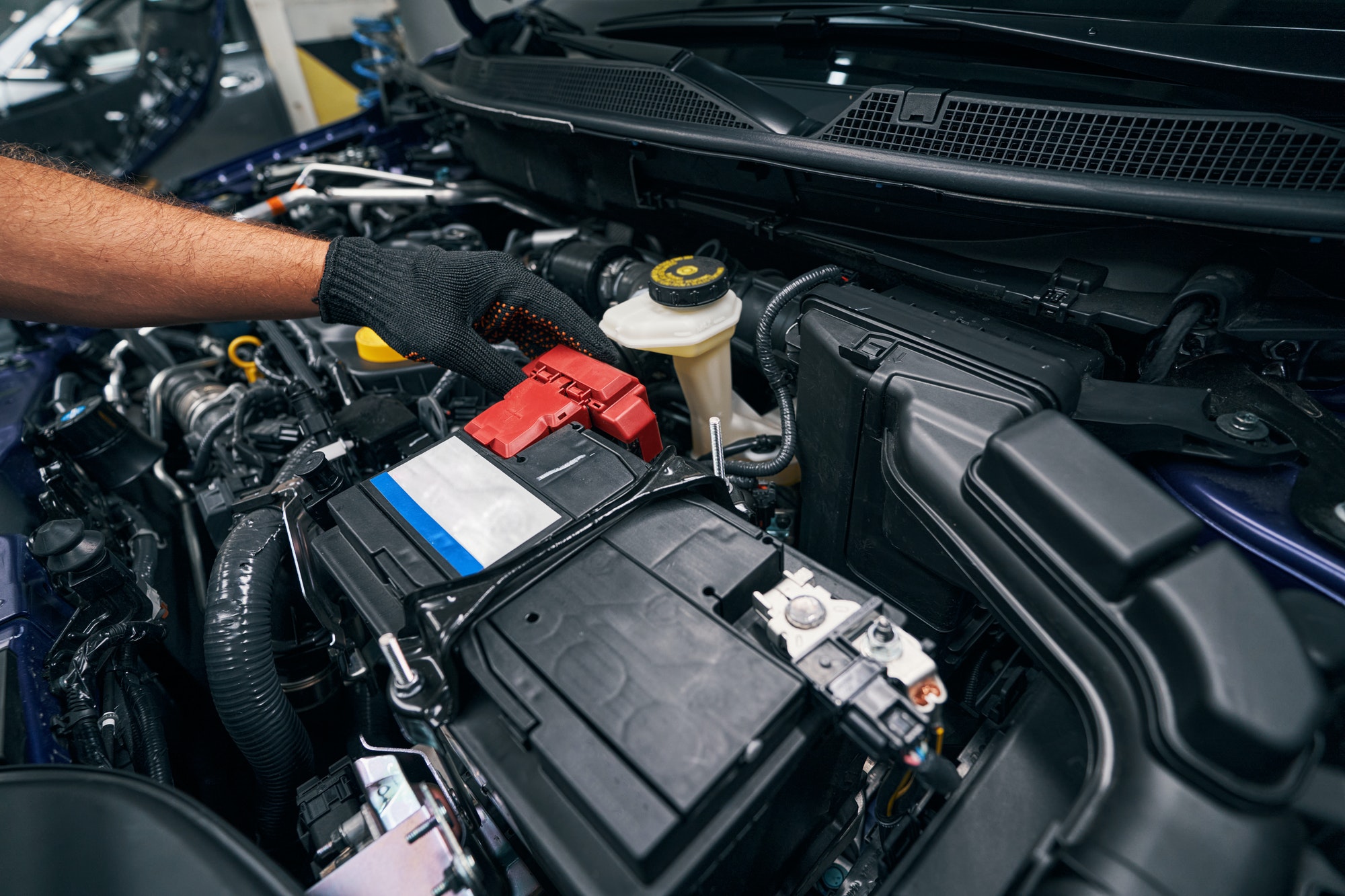
- Disconnect your negative battery cable. Remember to make sure you have the radio security code first if your system requires one. If you are extra motivated, removing the battery and storing it inside will help prolong its life. If you are looking for companies to provide storage space and services for your car, I recommend two: In the city: The Top Store, 301 North Hoyne, (312) 243-4499. And for those of you on the North Shore: 917 Winter Storage, 917 North Shore Drive, Lake Bluff, (312) 220-0051

Getting Ready For Winter
Just thinking about writing this has got me both cold and a little depressed. There is no question that winter weather is hard on our cars. The cold starting, the pot holes, the salt…it’s just not a car-friendly time of year. It can also be dangerous; icy roads and breakdowns far from home can turn serious if you are not prepared. I recommend having your car checked out by a mechanic before the weather turns really cold. At Midwest Performance Cars, we provide this service to our clients. Here are the items we look at in case you want to do it yourself:
- Tires – make sure you have plenty of tread, proper inflation levels, and that the tires are not dry-rotten. Dry-rotting occurs as the tires get old and start to crack from the inside – you can see the small cracks on the surface of the tires between the treads. If your car has a spare tire, make sure it is in good shape and is properly inflated. We recommend a separate set of winter tires – particularly for many of our clients with performance oriented cars that come with performance tires – these tires are great in the dry, but horrible in the snow. Front engine, rear wheel drive cars, have a hard time on snow and ice – for my car I use winter tires and 4 sand bags in the trunk to provide weight over the drive wheels.
- Check all fluids – most important are engine oil (clean and of proper weight), anti-freeze (clean and full), and washer fluid (full). I recommend carrying an extra gallon of washer fluid in your trunk.
- Heating System – we test your thermostat, heater blower motor, defroster, coolant hoses, belts, radiator, and pressure test your cooling system for leaks. The stress of the cold weather is hard on rubber components and the worst time to find out your heat is not working is that first time you really need it.
- Battery – test your battery and alternator to make sure they are up to specification. Your battery is going to have to work a lot harder to start your car when it is cold. Most people are surprised to find out that the average car battery has a working life of 3.5 years.
- Brakes – check your brake pads and rotors. Check your brake fluid, see that it is clean. Test your ABS system – better to find out if it is working now than when you need it.
- Suspension/CV Boots – Chicago winters are hard on our cars’ suspensions. Look at all the bushings, links, and arms to make sure there is no excessive play. Check that your CV boots are in good shape and not ripped.
- Spark Plugs – are your plugs in good shape? Dirty or worn spark plugs make it even harder to start your car when it is cold.
- Lights – make sure that all your lights are working properly so that you can be seen in bad weather.
- Wiper Blades – fresh wiper blades are important in bad weather. Many experts suggest replacing wiper blades twice a year.
- Windshield – check for cracks and nicks. The extreme difference between the warm interior of a car and the cold exterior causes “thermal shock” which can cause small nicks in your windshield to become large cracks. Often small nicks can be repaired inexpensively before they spread.
- Door Locks – lube your door locks with WD40 or a similar product to prevent them from freezing.

Some other winter driving tips include preparing an emergency kit for your car (blankets, flares, jumper cables, flashlight with extra batteries, and kitty litter or sand for if you get stuck). Most people in the city would never think of needing these items, but you might on that trip to Grandma’s house for the holidays. Also, try to keep you gas tank over half full. This helps prevent moisture and condensation in the tank which will make the car easier to start. If you are headed out on a bad night or on a trip, remember to have your cell phone fully charges – these days your phone is your most important tool in an emergency. Finally, don’t forget to put your ice scraper in the car. I think I am going to go do that right now.
Have a safe winter!
Owner
Midwest Performance Cars